Drug Awareness: What Parents And Communities Must Know
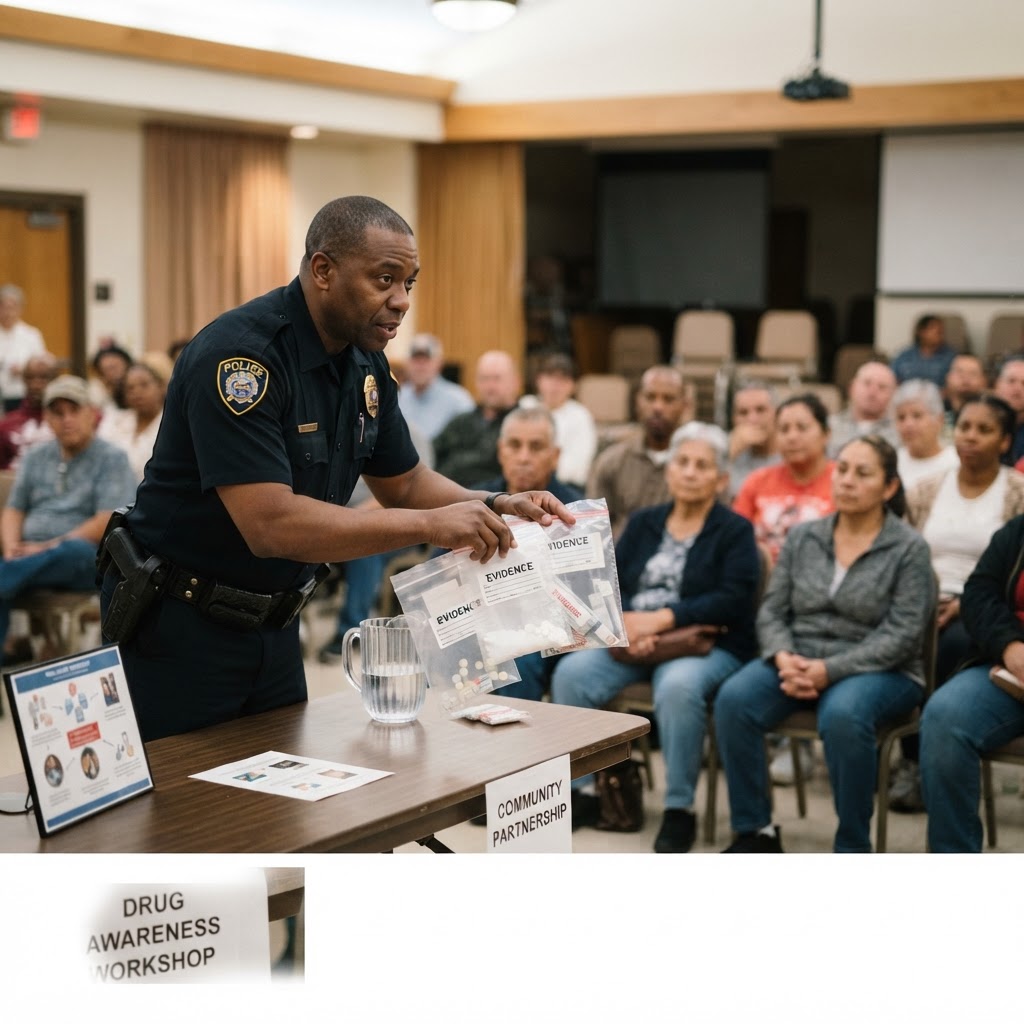
Know the warning signs, the local drug landscape and how to get someone into treatment without shame. Use our Drug Identifier to check anything suspicious.
Warning signs worth taking seriously
Sudden changes in friends and sleep patterns, disappearing money or household items, weight loss, dilated or pinned pupils, burnt foil or spoons, glass pipes, straws cut short, syringes, constant sniffing, sores around the mouth, and a sudden drop in school or work performance. One sign alone is not proof — a cluster of them over weeks is worth a calm conversation.
Talk, do not accuse
Choose a quiet moment and lead with care, not a lecture. Ask what is going on rather than telling them what you suspect. Avoid shame and threats, which push young people towards the people supplying them. Be specific about what you have noticed and what you will do next. Get professional help early — addiction is a health condition and treatment works better the sooner it starts.
What is circulating in South Africa
Methamphetamine ("tik"), nyaope and whoonga, methcathinone ("cat"), cocaine, heroin, cannabis edibles and vapes, benzodiazepines sold loosely as "downers", and counterfeit pills pressed to look like prescription medicine. Never test or taste an unknown substance. Our Drug Identifier tab shows what each one looks like, what it does and what an overdose looks like.
Where to get help
The Department of Social Development substance abuse helpline is 0800 12 13 14, available 24 hours. SANCA runs treatment centres nationally. You can also ask any clinic or hospital for a referral, and the South African Depression and Anxiety Group (SADAG) on 0800 456 789 supports families. Reporting a dealer is not the same as reporting a user — give information to Crime Stop on 08600 10111.
Do this
- Keep prescription medicines, including painkillers, locked away.
- Know your child's friends and where they spend time.
- Store the 0800 12 13 14 helpline in your phone.
- Ask for a professional assessment instead of waiting for "rock bottom".
Never do this
- Do not taste, smell closely or handle unknown powders or pills.
- Do not flush or destroy evidence if you intend to open a case.
- Do not shame an addicted family member publicly.
- Do not buy "remedies" or "detox" products from unregistered sellers.